Struggling to meet the market's demand for green products? Ignoring sustainability can make your brand seem outdated. We are developing the eco-friendly toothbrush solutions you need.
Chinese OEMs are developing eco-friendly toothbrushes1 by using renewable materials2 like PLA, creating designs with removable batteries3, and using FSC-certified packaging4. This strategy helps brands meet new regulations and attract environmentally conscious consumer5s who are driving the demand for sustainable personal care products6.
I've worked in personal care manufacturing for over a decade. I have seen trends come and go. But the shift towards sustainability is different. It's not just a trend; it's a fundamental change in how we do business. This change brings big challenges, but also huge opportunities for brands that are ready to adapt. Let me walk you through what's really happening on the factory floor and how we are navigating this new green landscape7.
Why Is the Demand for Sustainable Oral Care Products Growing So Fast?
Your customers are asking for eco-friendly options8. Not meeting this demand means you risk losing them to competitors. Understand the forces behind this green wave to keep your brand relevant.
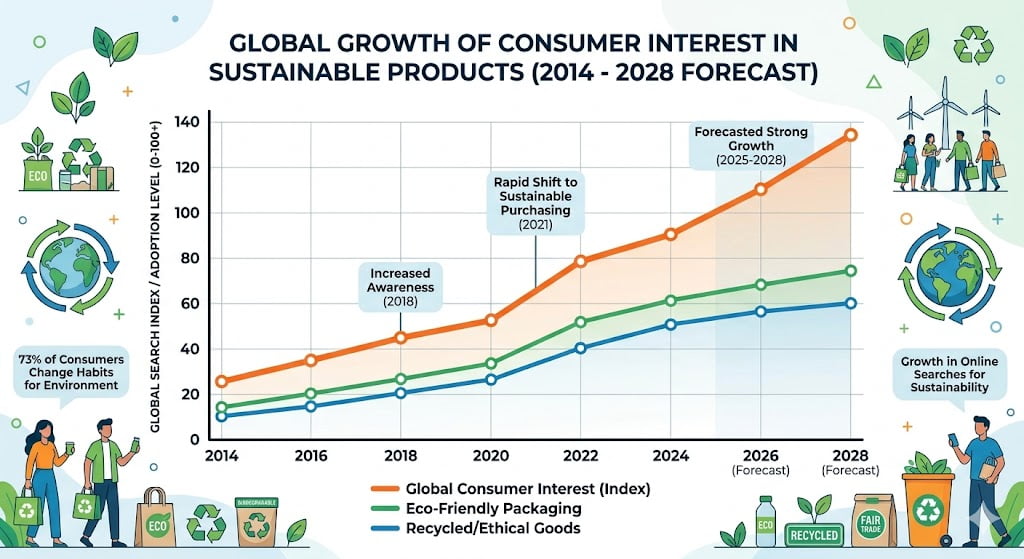
The demand is fueled by new government regulations in Europe and America, rising consumer awareness about plastic waste9, and the market success of eco-focused brands10. These factors push companies to find greener alternatives to stay competitive and appeal to a growing base of ethical shoppers11.
Dive Deeper
The push for sustainability is coming from several directions at once. It's a perfect storm of regulation, consumer sentiment, and market innovation. As a manufacturer, I see these forces impacting our clients' requests every single day.
1. Stricter Government Rules
Governments, especially in the EU and parts of the US, are no longer suggesting sustainability; they are requiring it. For example, directives on battery removability mean that products with built-in, non-replaceable batteries are being phased out. The goal is to reduce electronic waste. We also see more clients demanding FSC-certified packaging4. This certification ensures that the paper and wood used come from responsibly managed forests. Failing to comply with these rules can mean your product is blocked from entering these key markets.
2. The Rise of the Conscious Consumer
Today's shoppers are more informed than ever. They have seen images of plastic waste9 in our oceans and are actively looking for brands that share their values. They are willing to pay more for products that are less harmful to the planet. A great example is the UK brand SURI. Their electric toothbrush, which uses a corn-starch-based PLA brush head, is expensive but has seen incredible growth. They built their entire brand around the concept of sustainability and won. Similarly, the popularity of simple bamboo toothbrushes in markets like the Netherlands shows that even small eco-friendly changes matter to consumers.
3. Sustainability as a Competitive Edge
In a crowded market, being "green" is a powerful way to stand out. It's not just about being responsible; it's a smart business strategy. Brands that lead in sustainability can build stronger customer loyalty and attract new audiences. It enhances brand reputation and can justify a premium price point. This is why we are getting more inquiries from brand managers and marketing heads who want to develop a unique, eco-friendly product line. They see it as the next frontier for growth.
| Feature | Traditional Toothbrush | Eco-Friendly Toothbrush |
|---|---|---|
| Handle Material | Virgin ABS/PC Plastic | Recycled PCR Plastic or Bio-based Materials |
| Brush Head | Mixed materials, difficult to recycle | PLA (bio-based) or programs for recycling |
| Battery | Integrated, non-removable | Easily removable for separate recycling |
| Packaging | Plastic blisters, non-certified paper | FSC-certified cardboard, minimal plastic |
| Market Position | Mass-market, price-focused | Premium, value-focused, appeals to ethical consumers |
What Are the Real Challenges for Factories in Producing Eco-Friendly Toothbrushes?
You want to launch a sustainable product line12, but the process seems overwhelming. The hidden costs and supply chain complexities13 can easily kill a project. Let's look at the real factory-level challenges.
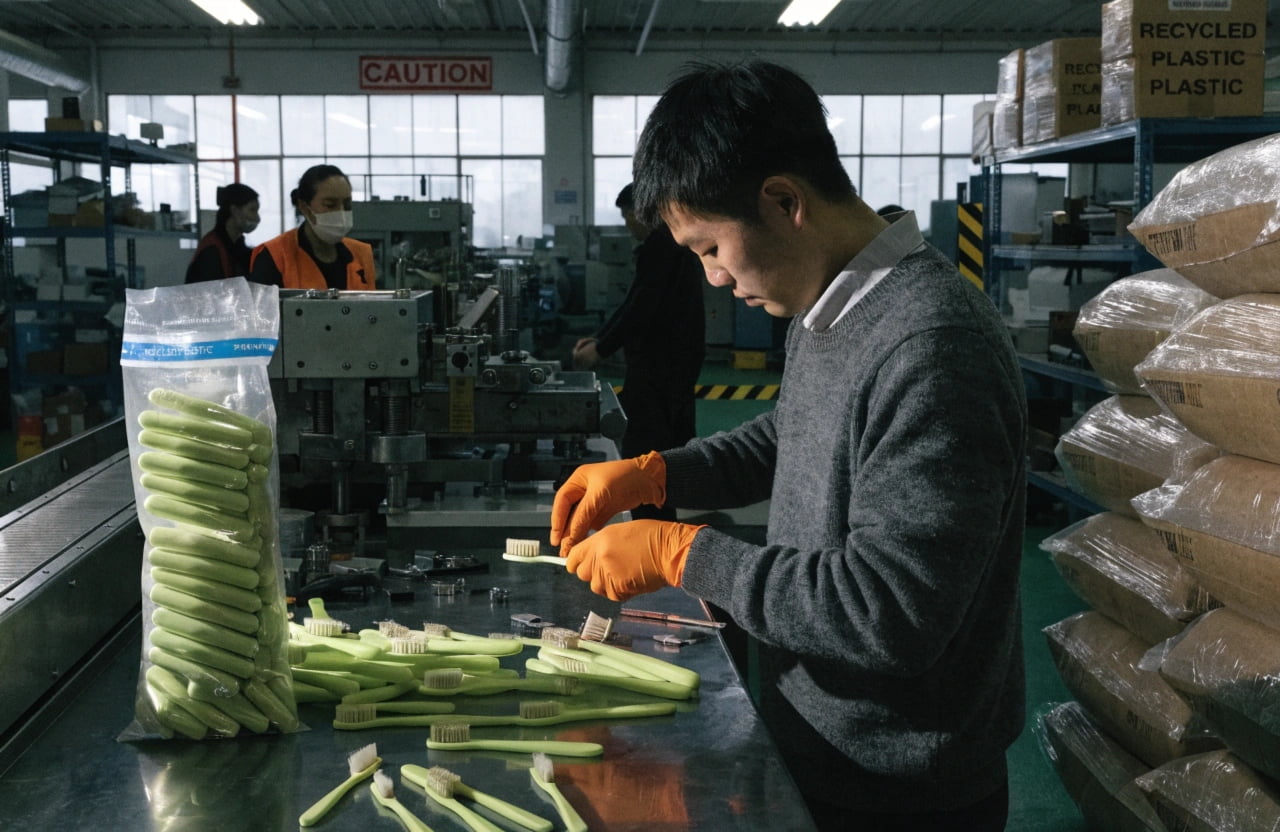
The main challenges are higher costs for sustainable materials14 and new certifications, the complex task of building traceability systems15, and the need for large, consistent orders. Factories are hesitant to make huge investments without the guarantee of long-term, profitable partnerships, making scalability difficult.
Dive Deeper
Transitioning to green manufacturing isn't as simple as flipping a switch. I remember a discussion with a product manager from a well-known German brand. They wanted an electric toothbrush made entirely from recycled materials with a removable battery. We had the engineering know-how, but the reality of the costs and supply chain was a major hurdle.
1. The Cost Factor
Eco-friendly is often not wallet-friendly, at least not at first. Sourcing certified post-consumer recycled (PCR) plastic or bio-plastics16 like PLA costs more than using standard virgin plastic. There are also costs for certifications like FSC or for setting up a new quality control process for recycled materials. New designs, like those with a removable battery, might require expensive new molds and re-tooling of the assembly line. A factory has to ask: who will pay for this? Without a clear commitment from the client, these upfront costs are a significant risk. Many factories will only do it when a client demands it and is willing to cover the cost increase.
2. The Supply Chain Puzzle
Finding reliable suppliers for sustainable materials14 is a huge challenge. Not all suppliers of recycled plastics can guarantee quality and consistency. Establishing a traceability system to prove that your material is genuinely recycled or that your paper is truly from an FSC-certified forest requires a lot of paperwork and auditing. This is a new skill set for many factories that have focused purely on efficiency and cost for decades. We have invested heavily in building these systems, but many of our peers have not. They may agree to a client's request, but without a real system, they cannot guarantee true traceability.
3. The Volume Dilemma
This is the classic chicken-and-egg problem. To bring down the cost of sustainable manufacturing, we need to produce at a large scale. But to get the large-scale orders, the price needs to be competitive. Most factories won't invest millions in new equipment and supply chains for a small, uncertain order. They need long-term, stable demand from clients who are committed to sustainability. Unless a major brand with a large annual procurement volume steps in, it's hard to achieve the economy of scale needed to make eco-friendly toothbrushes1 a mass-market reality. The industry is still in its early stages here.
| Decision Point | Traditional Approach (Low Risk) | Sustainable Approach (High Investment) |
|---|---|---|
| Initial Investment | Low, uses existing molds and suppliers. | High, requires new tooling, supplier vetting, and certifications. |
| Material Costs | Lower and more stable. | Higher and can be volatile. |
| Client Requirement | Must meet a specific price point. | Must have a long-term commitment and be willing to co-invest. |
| Return on Investment | Predictable, based on volume. | Uncertain, depends on market adoption and sustained orders. |
What Sustainable Materials and Designs Are Available Right Now?
You are ready to create your next eco-friendly product but are unsure of the options. Choosing the wrong materials or features can lead to claims of "greenwashing". Let's explore the real, practical options available today.
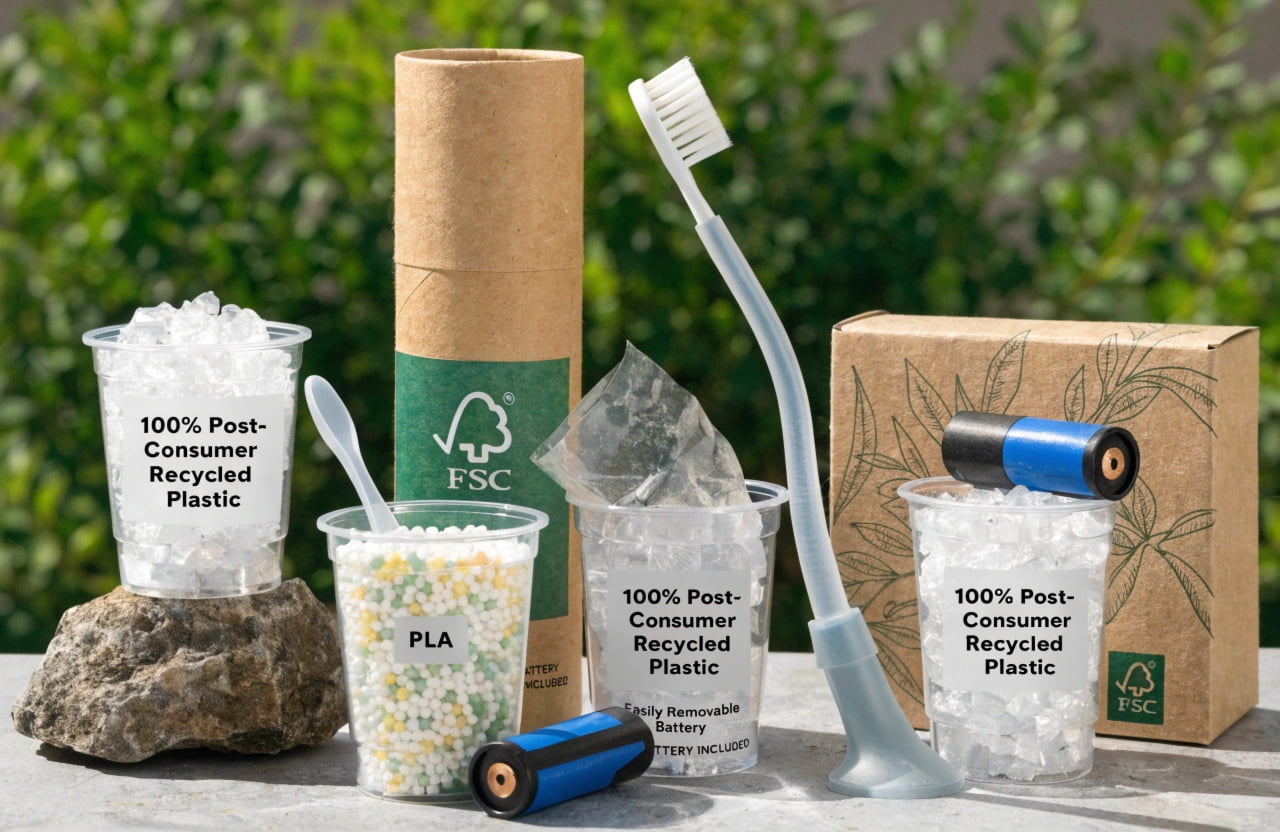
Current sustainable options include handles made from recycled plastics (PCR), brush heads from bio-plastics16 like PLA, and FSC-certified paper packaging. Modern designs also feature easily removable batteries3 for proper recycling, which is a key requirement in many international markets to reduce e-waste.
Dive Deeper
As an OEM/ODM partner, our job is to turn our clients' vision into a real product. Lately, that vision is increasingly green. We have dedicated a lot of our R&D efforts to sourcing and testing sustainable materials14 and developing eco-friendly product structures. Here is a breakdown of what is realistically achievable for your next project.
1. Sustainable Body and Handle Materials
The body of the toothbrush is the largest plastic component, so it's the best place to start.
- Post-Consumer Recycled (PCR) Plastics: We can source high-quality PCR ABS or PC plastics. These are plastics recovered from consumer waste, like old electronics or water bottles, which are then cleaned, processed, and turned into pellets for new manufacturing. Using PCR plastic reduces our reliance on fossil fuels and diverts waste from landfills.
- Bio-based Plastics: These are plastics made from renewable resources like corn starch or sugarcane. The most famous one in our industry is PLA, which is used by brands like SURI for their brush heads. We are exploring its use for handles as well, but it has different physical properties than traditional plastics, so it requires careful engineering.
2. Innovations in Brush Heads
The brush head is a disposable item, making its sustainability a top concern.
- PLA Brush Heads: As mentioned, PLA is a biodegradable material under industrial composting conditions. This is a huge step up from the typical mixed-material heads that end up in landfills.
- Recycling Programs: Another approach is to design heads with easily separable components. We can work with brands to set up take-back programs where customers can return used heads to be professionally disassembled and recycled.
3. Smart, Sustainable Product Design
True sustainability goes beyond materials. It's also about how the product is designed for its entire lifecycle.
- Removable Batteries: This is a game-changer. For years, electric toothbrushes had sealed-in batteries, meaning the entire device had to be thrown away when the battery died. We now design products where the user can easily and safely remove the battery. This allows the battery to be recycled properly as e-waste, and the plastic body can be recycled separately. This is already a legal requirement in the EU and a major selling point for eco-conscious consumer5s.
- Modular Design: We are also developing modular products. Instead of replacing the whole device, the user can replace just one part, like the battery or a worn-out button. This extends the product's life and reduces waste.
| Component | Sustainable Option | Key Benefit | Manufacturing Consideration |
|---|---|---|---|
| Handle | PCR ABS/PC Plastic | Reduces plastic waste and use of virgin resources. | Requires reliable sourcing and quality control. |
| Brush Head | PLA (Corn Starch-based) | Bio-based and biodegradable (industrial). | Different feel and durability, may cost more. |
| Battery | User-Removable Design | Enables proper e-waste recycling, extends life. | Requires new internal structure and safety testing. |
| Packaging | FSC-Certified Paper / Cardboard | Sourced from responsibly managed forests. | May have a higher cost than standard paper. |
Conclusion
The road to sustainable oral care is challenging but clear. With the right OEM/ODM partner, your brand can meet rising consumer demand, comply with new regulations, and build a greener future.
Explore the advantages of eco-friendly toothbrushes and how they contribute to sustainability. ↩
Learn about renewable materials and their role in creating sustainable products. ↩
Discover the benefits of removable batteries in promoting recycling and sustainability. ↩
Understand the significance of FSC-certified packaging in promoting responsible forestry. ↩
Learn about the characteristics of conscious consumers and their purchasing behaviors. ↩
Discover the growing demand for sustainable personal care products and their impact on the market. ↩
Explore the evolving green landscape in manufacturing and its implications for businesses. ↩
Discover the various eco-friendly options available for consumers today. ↩
Explore the environmental impact of plastic waste and the need for sustainable alternatives. ↩
Find out which eco-focused brands are leading the market and their strategies for success. ↩
Understand the motivations of ethical shoppers and their impact on market trends. ↩
Get insights on how to develop a successful sustainable product line for your brand. ↩
Understand the complexities of sustainable supply chains and how to navigate them. ↩
Explore the most effective sustainable materials available for eco-friendly manufacturing. ↩
Understand the importance of traceability systems in ensuring sustainable practices. ↩
Learn about bio-plastics and how they contribute to reducing environmental impact. ↩